
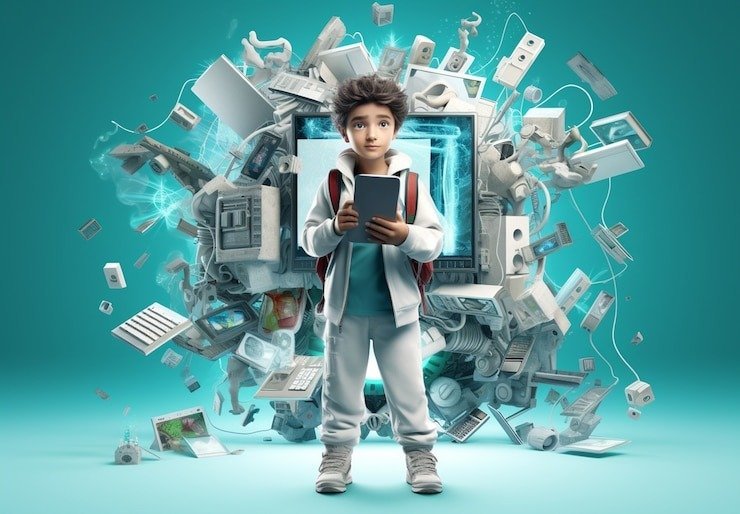
In the age of rapid technological advancements, the way we consume information and educate ourselves has undergone a significant transformation. The convergence of digital media, mobile technology, and the internet has revolutionized not only the news industry but also the educational landscape. As we explore these digital trends, we will uncover how they shape our understanding of the world and empower us to learn in new and innovative ways.
The Evolution of Online News
The concept of news has evolved dramatically over the past two decades. With the advent of the internet, traditional news outlets faced challenges from online platforms that provide instant access to information. Social media, blogs, and podcasts have become primary sources of news for many, leading to a diversification of viewpoints and the democratization of information dissemination.
Real-Time Reporting
One of the most significant changes in online news is the ability to provide real-time reporting. News outlets can now update stories instantly, allowing readers to stay informed about breaking events as they unfold. This immediacy has changed the public’s expectations of news consumption, where waiting for the evening news is now a thing of the past.
Interactive Content and Multimedia
Gone are the days of static articles and one-dimensional storytelling. Online news now encompasses a range of interactive content, from videos and infographics to immersive virtual reality experiences. This multimedia approach not only engages readers but also enhances their understanding of complex issues. As
research suggests, interactive content can increase user retention and comprehension, making it a powerful tool for news organizations.
The Role of Social Media
Social media platforms have become integral to how news is shared and consumed. Platforms like Twitter, Facebook, and Instagram allow users to disseminate information rapidly, blurring the lines between professional journalism and citizen reporting. While this democratization of news has its benefits, it also raises concerns about misinformation and the challenges of verifying sources in an environment flooded with content.
The Digital Transformation of Education
As we navigate through the complexities of the digital age, education has also transformed significantly. The rise of online learning platforms has made education more accessible and flexible for millions around the globe. From MOOCs (Massive Open Online Courses) to virtual classrooms, the opportunities for learning are virtually limitless.
Personalized Learning Experiences
One of the most significant advantages of digital education is the ability to create personalized learning experiences. Adaptive learning technologies analyze individual performance and tailor educational content to meet specific needs. This approach not only enhances engagement but also improves learning outcomes, allowing learners to progress at their own pace.
Global Classrooms
Digital education transcends geographical boundaries. Online platforms allow students from different parts of the world to connect, collaborate, and learn from one another. This interconnectedness fosters a global perspective, preparing learners for a world that is increasingly interdependent. Students can participate in discussions, projects, and activities with peers from diverse cultures, enriching their educational experience.
Lifelong Learning and Professional Development
In today’s rapidly changing job market, lifelong learning has become essential. Online education provides professionals with the opportunity to upskill and reskill as needed. Whether through short courses, webinars, or certificate programs, individuals can enhance their knowledge and stay relevant in their fields. This trend underscores the need for adaptability and continuous growth in an ever-evolving landscape.
The Intersection of News and Education
As we explore the digital trends in both online news and education, it’s crucial to recognize their intersection. News literacy has become an essential component of modern education. Understanding how to critically evaluate sources, recognize bias, and discern fact from opinion is vital in a world where misinformation can spread rapidly.
Educational institutions are increasingly incorporating media literacy into their curricula, equipping students with the skills necessary to navigate the complexities of the digital information age. This development not only enhances academic competencies but also fosters informed citizenship.
Our contribution
Traveling through the realms of online news and education reveals a dynamic landscape shaped by digital trends. As we harness the power of technology to inform and educate, we must remain vigilant about the quality of information and the importance of critical thinking. The journey is ongoing, as we continue to adapt to new tools and platforms that redefine how we learn and understand our world.
In this digital era, the possibilities are endless. Whether we are reading the latest news from across the globe or engaging in a virtual classroom, we are not just passive consumers of information; we are active participants in a vibrant community of learners and informed citizens. The call to action is clear: embrace these changes, stay informed, and continually seek knowledge in our ever-evolving digital world.
